Stored Toxins Holding Trauma
Stored Toxins Holding Trauma
Can Toxins Hold Trauma? How the Body Stores Emotional Pain—and What to Do About It
Through my own healing journey and also watching others go through their own for a while now, the one thing I keep coming back to is how connected everything in the body is. Physical, emotional, spiritual—it’s all intertwined.
Something happened recently that brought this to life in a way I wasn’t expecting.
After doing a castor oil pack for the first time (you can read that full story here), I had this powerful release—physically, yes, but also emotionally. It felt like my body had been holding on to something for a long time… maybe even since childhood. The next morning, my poop smelled like burnt hair or ashes. I know that might sound strange, but in the holistic world, that’s sometimes called a signature smell—an indication that deep, old toxins are finally being released.
That got me thinking:
Could my body have been holding onto not just toxins, but memories? Trauma? Emotions that never got a chance to move through?
Maybe that memory or imprint I heard during the release was actually trapped in a toxin—or in layers of toxins—that had been sitting in my body since I was a baby.
The more I dug into this, the more it all started to make sense.
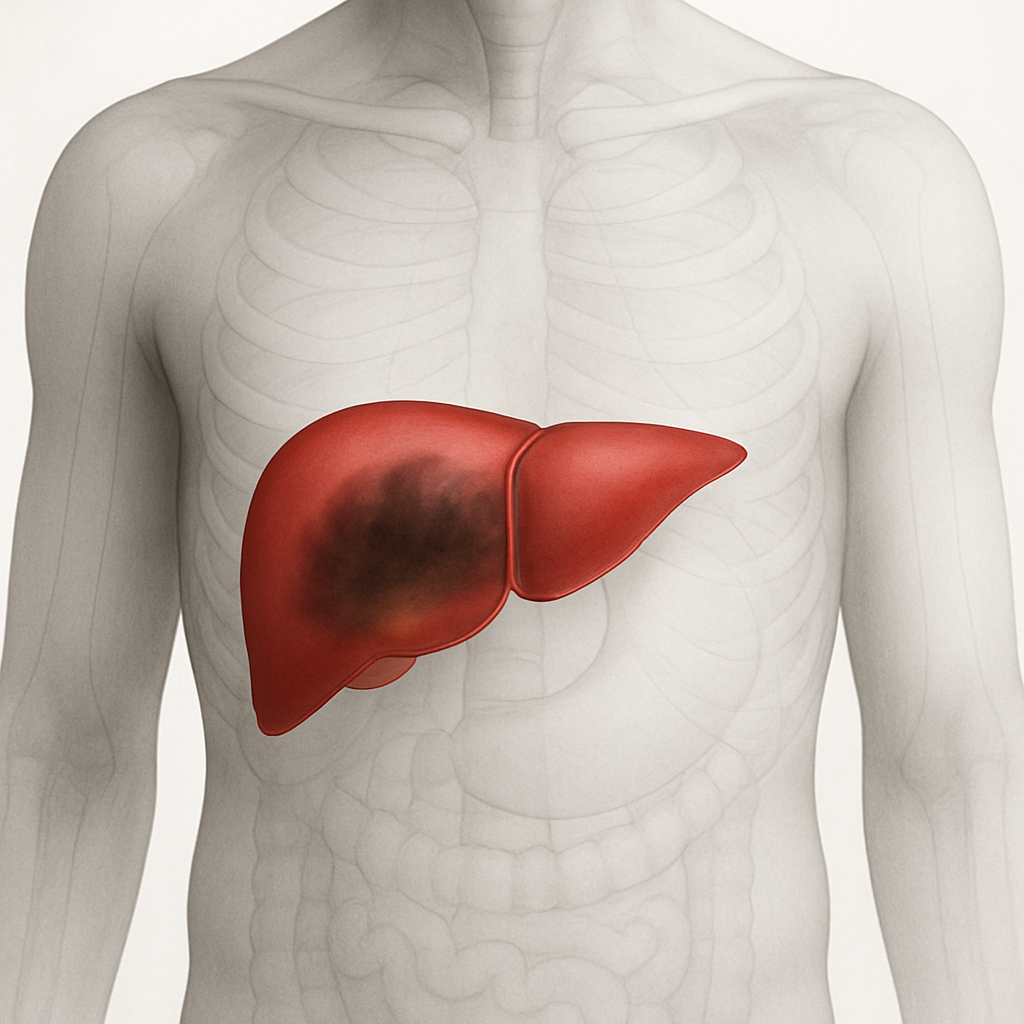
Can Your Body Really Hold on to Toxins for Years?
Absolutely. Your body is incredibly wise, and when it feels overwhelmed—by physical toxins, stress, emotional trauma, or a combination—it will sometimes store those things away to deal with later.
Toxins can get trapped in:
•Fat cells (as a protective buffer)
•Connective tissue and fascia
•Organs like the liver, colon, and even the brain
•The lymphatic system
•And more subtly, in the energetic and nervous system layers of the body
If your detox pathways aren’t open (or weren’t at the time the exposure happened), your body will do what it needs to survive: store the threat somewhere safe until it’s ready to process it later.
This can include:
•Environmental toxins (heavy metals, mold, pesticides, etc.)
•Medications or injections from early life
•Emotional trauma or stress that disrupted normal bodily function
•Unresolved infections or inflammation
And here’s where it gets deeper…
Can Emotional Trauma Be Stored in Toxins?
This is the part that’s both fascinating and (for many of us) deeply personal.
Yes—memories and emotions can absolutely get stored in the body. We’re learning more and more through somatic therapy, trauma-informed healing, and nervous system science that:
•The fascia can hold onto old emotions and stress
•The gut and liver often mirror our emotional state
•The vagus nerve connects physical and emotional experience
•And the body remembers what the mind forgets
So what happens when those toxins get “unstuck” during a detox, cleanse, or castor oil pack? Sometimes, the emotional imprint that was locked in with them gets released too. That’s why people often cry during a massage, feel anxious during a cleanse, or suddenly remember things from childhood they hadn’t thought about in years.
It’s not weird. It’s healing.
First Steps to Releasing Stored Toxins and Trauma
If this resonates with you, here’s the first thing I’d suggest: go back to the basics.
Before jumping into intense detox protocols or emotional deep dives, your body needs to feel safe and supported. If detox pathways aren’t open or your nervous system is overwhelmed, your body will hold on to protect you—and pushing too hard can sometimes cause more harm than actually healing.
Here are some foundational steps:
1. Support Digestion
This is my go-to starting place. If your gut isn’t working well—nothing’s moving. You need:
•Good bile flow
•Regular bowel movements
•Enzyme support if needed
•A balanced microbiome
Think of digestion like the drainage pipes. If it’s backed up, nothing else you do is going to flow well.
2. Open Your Detox Pathways
You’ve got to get your “drains” open before you start pulling stuff out.
•Drink mineral-rich water
•Sweat (via movement, sauna, or baths)
•Dry brush and rebound to move lymph
•Gentle liver support (castor oil packs are great here)
•Make sure you’re pooping daily
3. Listen to Your Body’s Timing
You can’t force this process. Sometimes the biggest shifts happen when you’re not trying to “fix” something, but simply making space for your body to do what it’s ready to do.
Pray, journal, create quiet moments. Ask your body what it’s holding—and let it know it’s safe to let go.
Final Thoughts
Your body isn’t just a machine—it’s a living record of everything you’ve been through. Sometimes it holds on a little longer than we’d like, but always with a reason. What feels like “just physical” might have roots that go much deeper.
And when you finally feel that release—whether it’s through a detox, a castor oil pack, or a random 2:30 a.m. moment—you’ll know. Your body will tell you.
There’s more to be said about this, and maybe someday I’ll share more. But if your symptoms don’t seem to make sense on paper, or if your healing feels stuck despite your best efforts—this might be something to explore.
Stored trauma and old toxins are real.
And your body already knows how to let them go.
It just needs your support—and a little permission.
If this resonates, and you are interested in taking the first steps for your own healing journey or just want to take the first steps towards foundational health-look out for my Foundations Course—launching soon!
References
Trauma and Emotional Memory Stored in the Body
1.Van der Kolk BA. (1994). The body keeps the score: Memory and the evolving psychobiology of posttraumatic stress. Harvard Review of Psychiatry, 1(5), 253–265.
https://pubmed.ncbi.nlm.nih.gov/9384861/
This seminal paper discusses how traumatic experiences can be stored in the body, affecting both psychological and physiological health.
2.Scaer RC. (2001). The neurophysiology of dissociation and chronic disease. Applied Psychophysiology and Biofeedback, 26(1), 73–91.
https://pubmed.ncbi.nlm.nih.gov/11330264/
This study explores the link between dissociative responses to trauma and the development of chronic physical conditions, suggesting a somatic storage of traumatic experiences.
⸻
Toxins Stored in the Body and Their Effects
1.Gaitens JM, Centeno JA, Squibb KS, Condon M, McDiarmid MA. (2016). Mobilization of Metal From Retained Embedded Fragments in a Blast-Injured Iraq War Veteran. Military Medicine, 181(6), e625–e629.
https://pubmed.ncbi.nlm.nih.gov/27244078/
This case study illustrates how embedded metal fragments can remain in the body for years, potentially leading to systemic toxicity when mobilized.
2.Lapenna D, Pierdomenico SD, Ciofani G, Ucchino S, Neri M, Giamberardino MA, Cuccurullo F. (2007). Association of body iron stores with low molecular weight iron and oxidant damage of human atherosclerotic plaques. Free Radical Biology and Medicine, 42(4), 492–498.
https://pubmed.ncbi.nlm.nih.gov/17275681/
This study discusses how excess iron stored in the body can contribute to oxidative stress and damage, linking stored toxins to chronic disease processes.
⸻
Interplay Between Toxins and Emotional Health
1.McEwen BS. (2007). Physiology and neurobiology of stress and adaptation: central role of the brain. Physiological Reviews, 87(3), 873–904.
https://pubmed.ncbi.nlm.nih.gov/17615391/
This comprehensive review highlights how chronic stress can lead to physiological changes in the body, including alterations in the immune system and metabolism, potentially affecting toxin processing and storage.
2.Yehuda R, McFarlane AC. (1995). Conflict between current knowledge about posttraumatic stress disorder and its original conceptual basis. American Journal of Psychiatry, 152(12), 1705–1713.
https://pubmed.ncbi.nlm.nih.gov/8526231/
This article examines how traumatic stress can have lasting effects on the body’s neuroendocrine systems, which may influence how toxins are metabolized and stored.